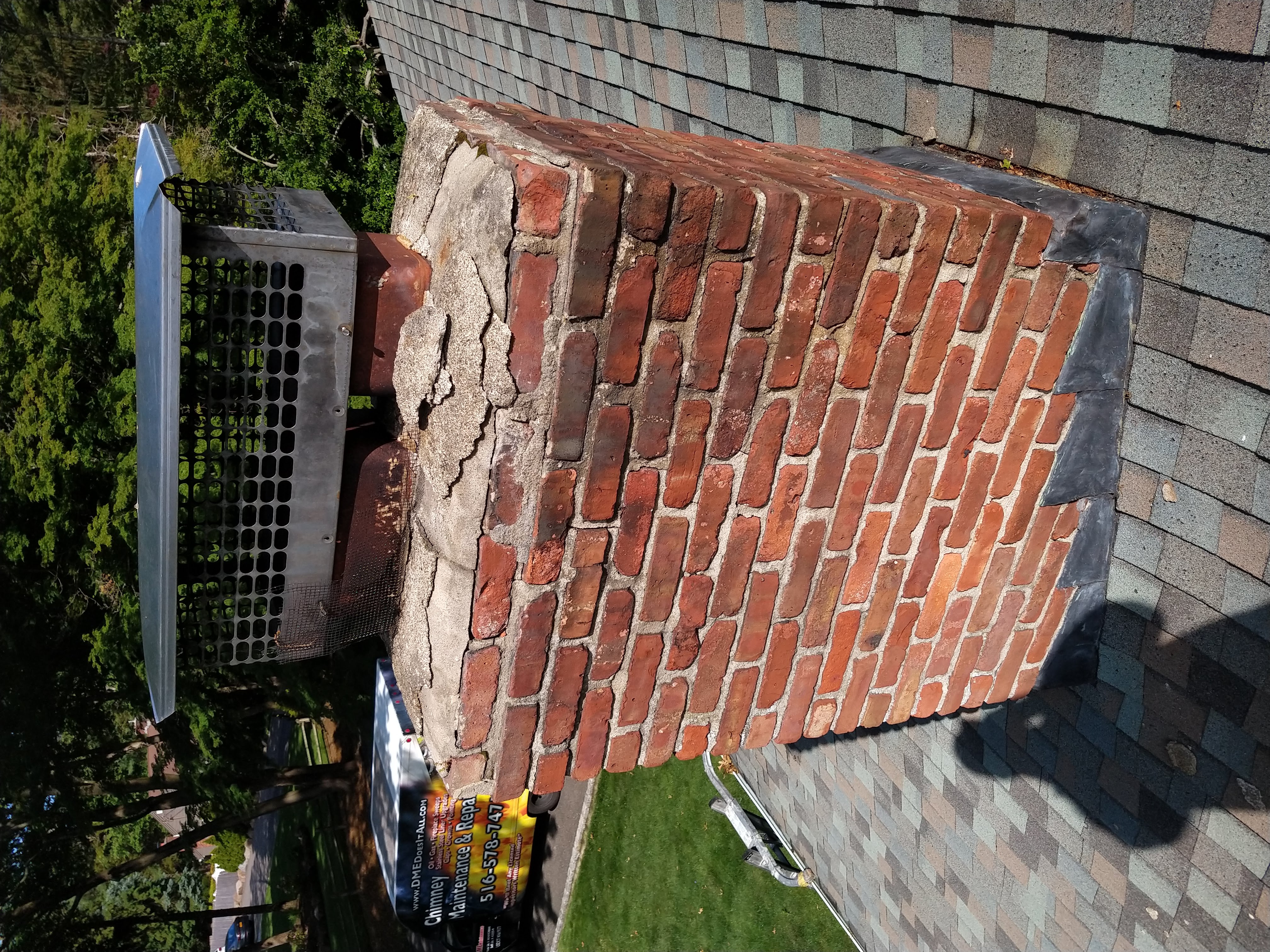
Chimney mortar deterioration is one of the most common—yet often overlooked—problems affecting homes throughout East Meadow and the broader Nassau County area. If you drive through East Meadow neighborhoods, you'll notice that many of the residential properties were built between the 1950s and 1980s, an era when builders prioritized speed and cost-effectiveness over the specialized masonry craftsmanship that modern chimney maintenance demands. The original mortar used in these homes was designed with a typical lifespan of 20 to 30 years, which means that by now, most of these chimneys are well past their prime. The mortar joints between the bricks serve as the backbone of your chimney's structural integrity, but they also function as the primary waterproofing barrier.
When mortar begins to crack, crumble, or wash away, water infiltration becomes inevitable. Repeated freeze-thaw cycles and temperature swings cause moisture to work into the mortar joints, breaking them down over time. DME Maintenance has been serving East Meadow homeowners and families since 2001, and we've witnessed firsthand how deteriorating chimney mortar can cascade into much more serious structural damage if left unaddressed. Our approach to chimney pointing goes beyond simply filling gaps; we carefully assess the condition of your existing mortar, remove the compromised material, and rebuild the joints with properly formulated replacement mortar that will hold up through years of weather exposure.
The seasonal climate of East Meadow and Nassau County creates a uniquely challenging environment for brick and mortar structures. Long Island sits in a transitional climate zone where winters bring repeated freeze-thaw cycles—temperatures rise and fall around the freezing point multiple times throughout the season—and this constant expansion and contraction of moisture trapped within mortar joints is absolutely devastating to aging chimneys. Spring and early summer represent the ideal window for pointing and tuckpointing work, because newly applied mortar requires consistent, moderate temperatures to cure properly and achieve full strength. Here in East Meadow, we're far enough north to experience genuine winter stress on masonry, yet close enough to the Atlantic Ocean and Long Island Sound that we also deal with salt-laden air and persistent coastal humidity that accelerates mortar degradation.
Homeowners who've lived in East Meadow for many years often notice that their chimneys seem to deteriorate faster than they expected, and that's not a coincidence, it's the direct result of our specific geographic and meteorological conditions. The oil heating systems that are prevalent throughout East Meadow and the surrounding communities produce acidic condensation within chimney flues, which further weakens mortar from the inside out. The combination of external weather stress, coastal environmental factors, and internal chimney chemistry means that East Meadow residents cannot afford to ignore signs of mortar deterioration. DME Maintenance schedules most of our pointing and tuckpointing appointments for late spring through early summer, when conditions are optimal for mortar application and curing.
We've developed our expertise through two decades of working on the specific housing stock and climate challenges that define this region, and we understand exactly what it takes to make a repair that will actually last.
Water infiltration represents the most serious consequence of failing chimney mortar, and it's a problem that compounds rapidly if ignored. When mortar joints crack or crumble, water finds its way not just into the chimney itself, but into the surrounding brick, the chimney interior structure, the flashing, and into the attic and interior walls of your home. Homes in East Meadow that were built in the mid-20th century often have wood-frame construction with limited moisture barriers, making them particularly vulnerable to water damage that spreads silently through walls and creates conditions for mold growth, structural rot, and insulation failure.
We've responded to emergency calls from East Meadow homeowners who discovered water staining in their upstairs bedrooms or attics, only to trace the source back to chimney mortar that had been deteriorating for years without anyone noticing. The insidious nature of chimney-related water infiltration is that by the time you see visible damage inside your home, the water has often been traveling through your walls for months or even longer. Proper chimney pointing and tuckpointing work acts as preventive medicine—it stops water at the source before it ever enters your home.
The process involves carefully removing mortar to a specific depth, cleaning out debris and old mortar dust, and applying new mortar that's formulated to be slightly softer than the surrounding brick, which allows the brick to bear the structural load while the mortar absorbs minor movement and acts as a sacrificial layer against the elements. For East Meadow properties, especially those within a few miles of water features that dot Nassau County—whether that's the bays, inlets, or the Atlantic coast, this protective function becomes even more critical. Moisture and wind-driven water from nearby water bodies accelerate all forms of masonry degradation, which is why proactive pointing work keeps your chimney in sound condition.
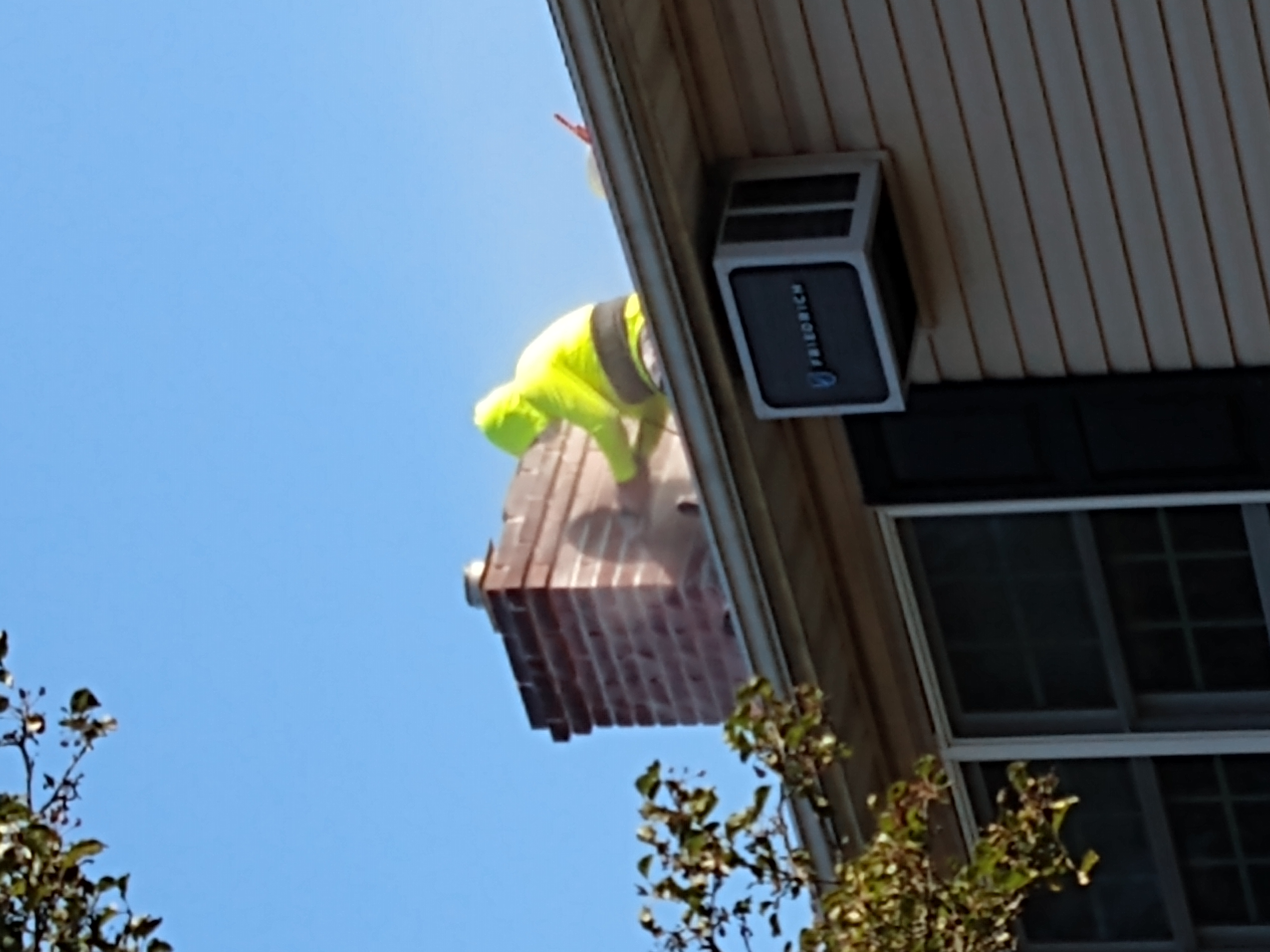
The difference between basic mortar patching and professional chimney pointing work is substantial, and it's one that many East Meadow homeowners don't fully appreciate until they've seen the results of both approaches. Tuckpointing is the proper term for the specialized technique of removing deteriorated mortar to a consistent depth—typically between one and one-and-a-half inches into the joint—and then replacing it with new mortar that matches the original in color, composition, and performance characteristics. This is skilled masonry work that requires experience since 2001 to execute correctly; the joints must be cleaned thoroughly, slightly dampened to ensure proper mortar adhesion, and then carefully filled and finished to match the surrounding masonry.
When we perform pointing work on East Meadow properties, we take time to assess the original mortar composition and brick type, because matching those characteristics is critical for long-term success. Brick masonry works best when all the materials work together as a system, if you use mortar that's harder than the surrounding brick, or that has a different thermal expansion rate, you'll create new problems even as you're solving old ones. DME Maintenance brings two decades of experience working specifically on East Meadow and Nassau County homes to every project, which means we understand the regional masonry patterns and can select materials and techniques that will perform reliably in our local climate.
We've worked on chimneys in East Meadow's established residential neighborhoods, and we've handled the unique challenges posed by homes situated near the various water bodies and inlets that characterize this part of Long Island. The pointing work we perform isn't a cosmetic refresh, it's a structural repair that protects your home's envelope and extends the life of your chimney by decades.
Beyond the structural and protective benefits, properly maintained chimney mortar also preserves the character and appearance of your East Meadow home. Many of the properties in East Meadow have genuine architectural appeal and represent significant investments for their owners; the brick and mortar detailing of these chimneys is often one of the more distinctive visual elements of the exterior. When mortar deteriorates and crumbles, it creates an appearance of age and neglect that affects the overall curb appeal of your property. Conversely, when we perform careful pointing work and restore the mortar joints to their original condition, the transformation can be remarkable—your chimney looks restored, the masonry appears solid and well-maintained, and the entire home benefits from that sense of careful stewardship.
For East Meadow residents who take pride in their homes and properties, this aesthetic dimension of pointing work shouldn't be underestimated. Beyond that, maintaining your chimney through regular inspection and timely pointing work is one of the most straightforward ways to preserve your home's value and prevent the kind of deferred maintenance issues that balloon into major repairs down the road. A chimney that's actively leaking will damage your attic and interior walls; a chimney with failing mortar will eventually require complete structural rebuilding rather than simple pointing; a chimney that's been neglected for years might need to be partially or fully reconstructed.
The preventive approach—catching mortar deterioration early and addressing it during the ideal spring and summer months, protects your home, preserves its character, and proves far more economical in the long run.
DME Maintenance serves every street in East Meadow. We have been cleaning chimneys on Long Island long enough to know exactly what local homes need — from older clay-lined flues in pre-war houses to modern stainless steel liner systems in newer construction.
If you've noticed cracks in your chimney mortar, visible gaps between bricks, mortar that crumbles when you touch it, or any signs of water staining near your chimney, the time to act is now. Spring and summer represent the optimal window for this work, and delays only increase the risk of water damage during the coming winter months. DME Maintenance has been serving East Meadow homeowners and families for over two decades, and we bring genuine expertise in addressing the specific masonry challenges that affect properties in East Meadow and throughout Nassau County. Call today at 516-690-7471 to schedule a chimney inspection and discussion about your pointing and tuckpointing needs.
DME Maintenance will evaluate the condition of your mortar, explain what we find, and help you understand your options for protecting your home. Don't wait for emergency water damage to force your hand—reach out now and let us help you preserve your chimney and your home.