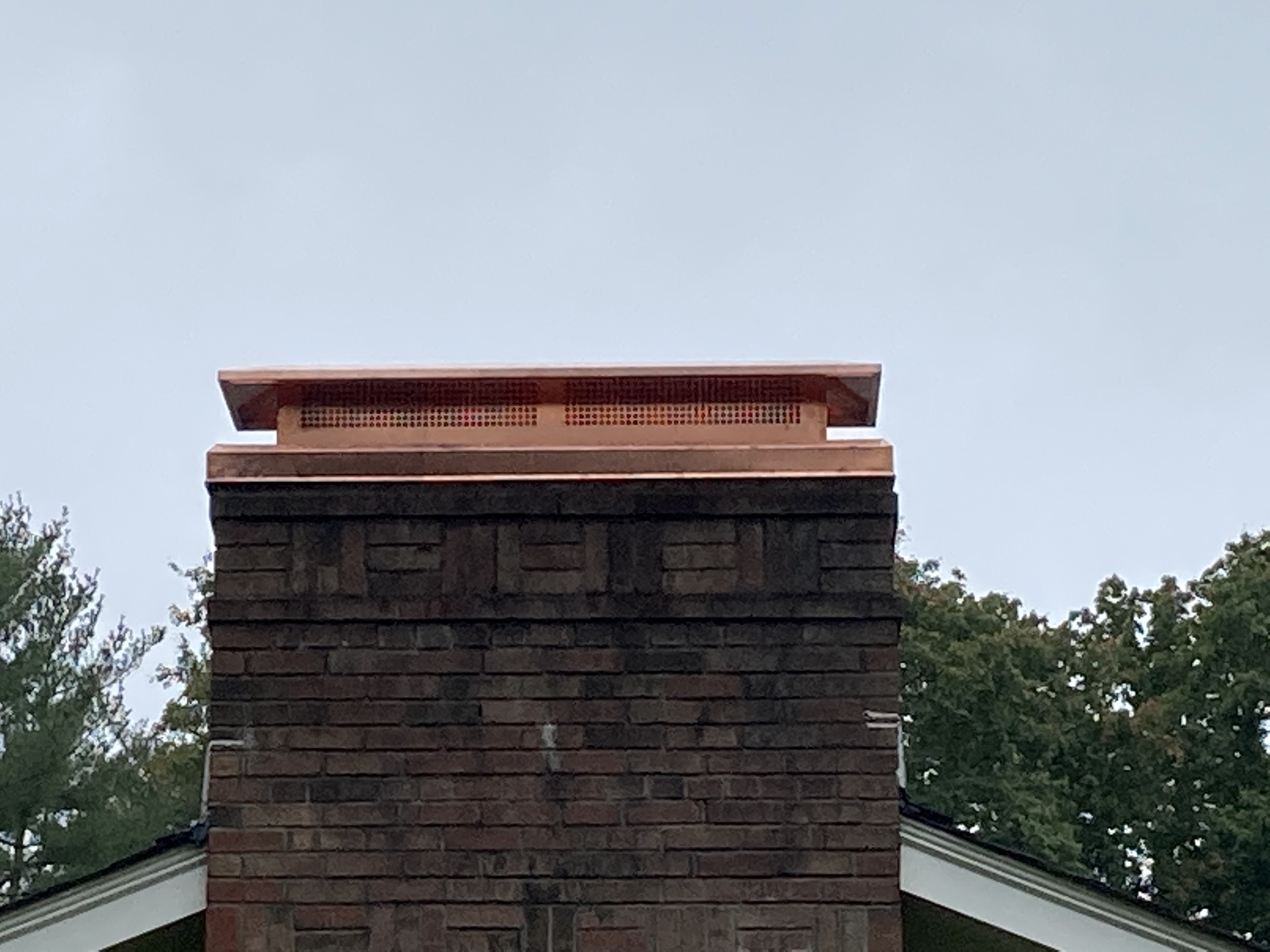
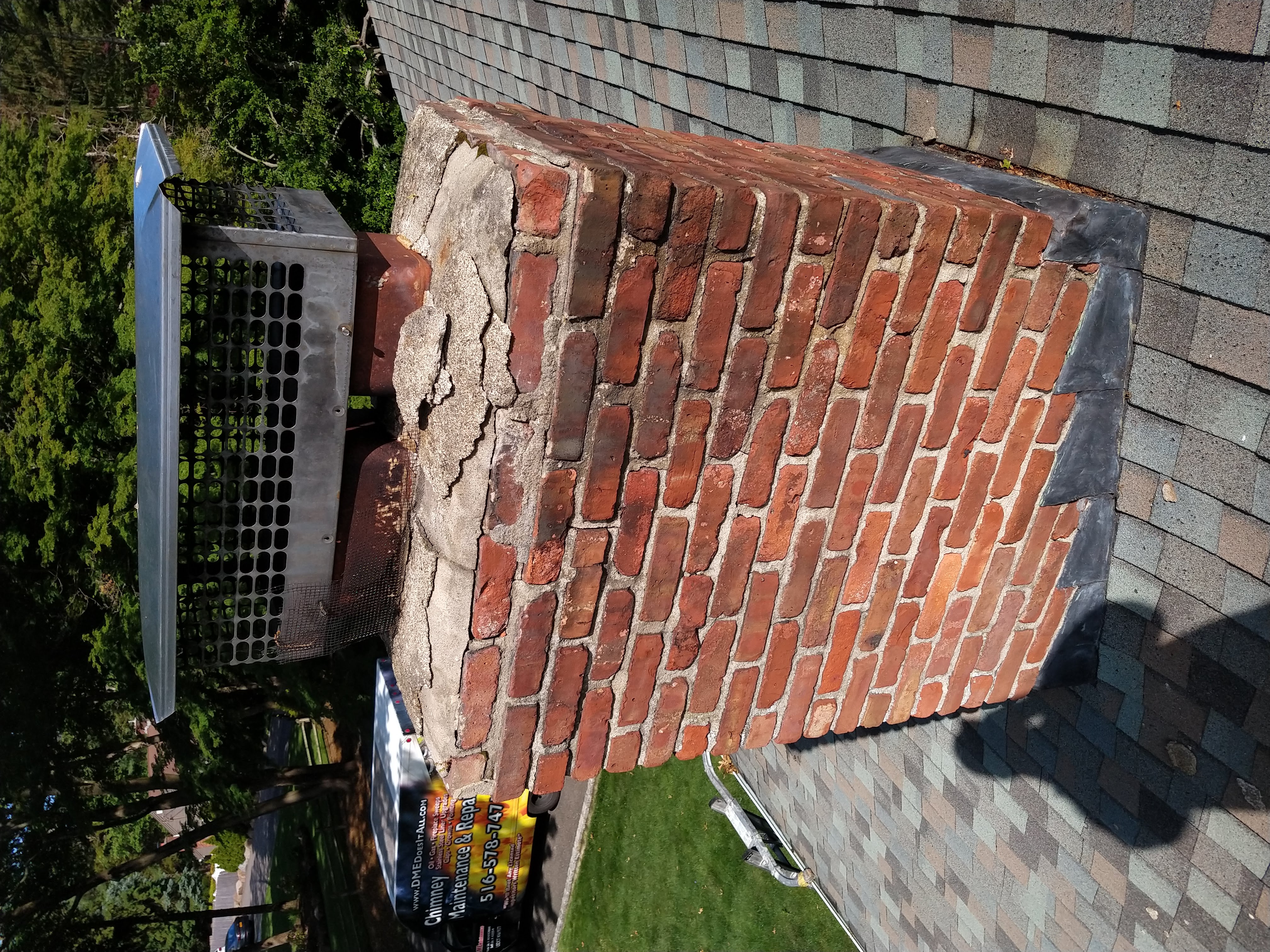
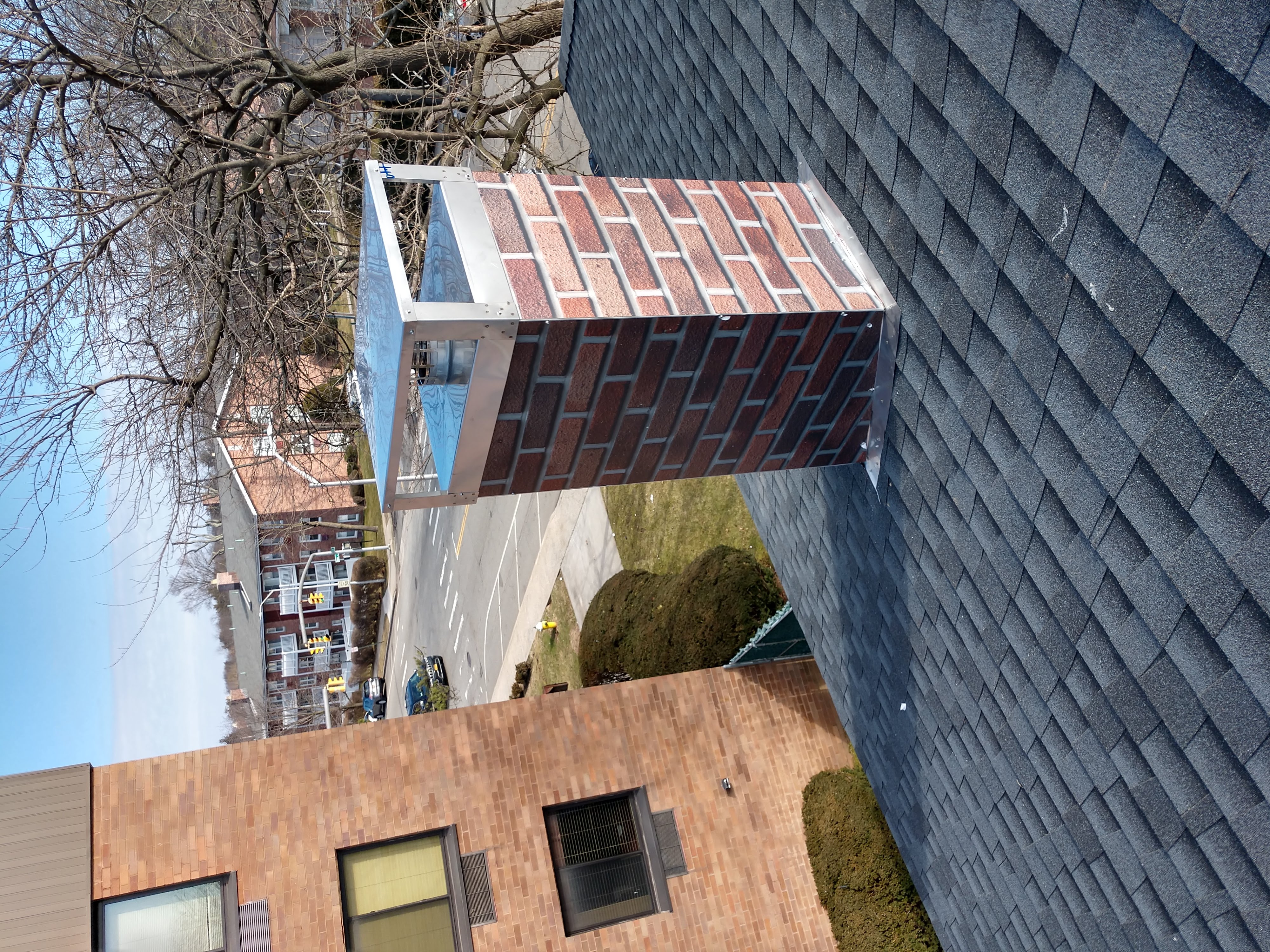
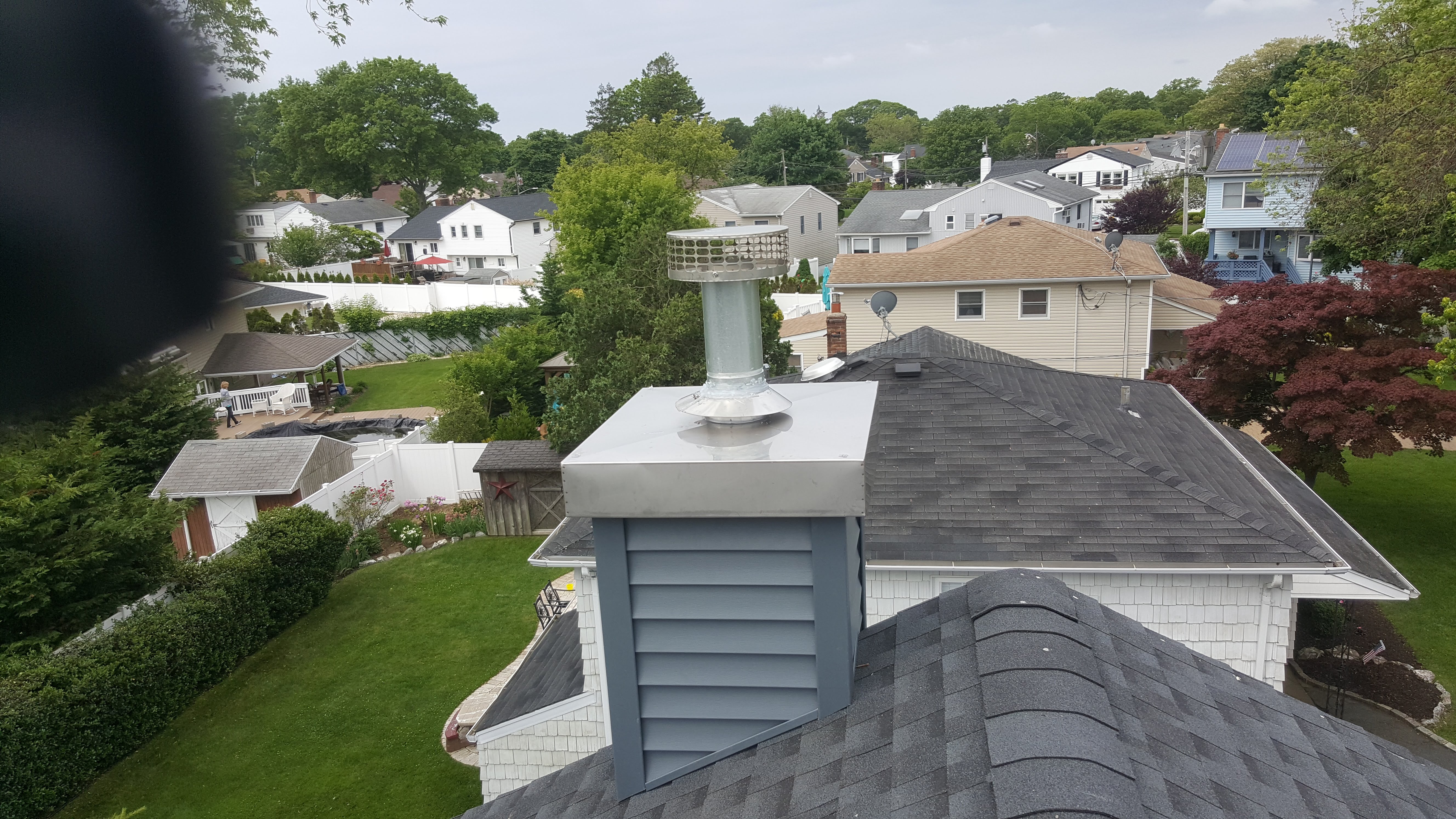
The chimney crown sits at the very top of your masonry chimney, where weather meets structure. It's a sloped concrete or mortar platform that surrounds your flue opening and directs rainwater outward and downward, away from the interior of your chimney system. Think of it as an umbrella designed specifically for your chimney's shape and size. Without a properly functioning crown, water seeps into the chimney cavity, saturates the surrounding masonry, and begins a destructive cycle that spreads to the flue liner, damaging mortar joints, and eventually reaching the interior of your home. For homeowners on Long Island, understanding the role of this single component can mean the difference between minor maintenance and major structural repairs.
East Meadow homes, like much of the surrounding Nassau County area, feature a mix of older oil-heated residences and newer construction, many built between the 1950s and 1980s. These homes were designed for the region's seasonal weather patterns, which bring wet springs, humid summers, and freezing winters that cycle through freeze-thaw conditions repeatedly. The combination of moisture from Long Island Sound's proximity and the region's predictable winter temperatures makes chimney crown failure particularly common here. Older crowns built with mortar instead of modern concrete often deteriorate faster under these conditions. Even relatively newer concrete crowns develop hairline cracks that expand with seasonal temperature changes.
Cracked chimney crowns represent the most visible sign of trouble, but the real damage occurs beneath the surface where you can't see it. Small fractures allow water to enter the masonry during rain, snow melt, and the wet season that precedes winter. That water sits inside the chimney structure, freezing and thawing as temperatures fluctuate. Ice crystals expand within the pores of your masonry, pushing against mortar joints and weakening the structural integrity of the entire column. Residents of East Meadow experiencing water stains on interior ceilings near chimneys or noticing dampness in attics adjacent to chimney structures typically have a crown failure already in progress. By the time visible signs appear inside your home, the water has already penetrated several inches into your masonry.
The crown's slope is equally critical to its material composition. A flat or poorly sloped crown cannot direct water effectively, causing it to pool and collect near the flue opening. Standing water on a chimney crown accelerates deterioration and increases the likelihood that water finds its way into the flue system rather than running off the sides. East Meadow homeowners often inherit crowns from previous owners that were either constructed incorrectly from the start or have settled and shifted over decades, losing their original slope. Professional inspection can reveal whether your crown's pitch is adequate or whether water is collecting in certain areas during rainstorms.
DME Maintenance has served East Meadow and the Nassau County, NY area since 2001, and chimney crown repair ranks among our most frequently requested services. This isn't coincidental. The majority of chimney problems we address originate from crown failure, whether due to age, improper installation, weather damage, or simple deterioration. Our experience tells us that many homes in East Meadow benefit from crown assessment before the rainy season arrives and winter weather compounds existing damage. We've found that homeowners who address crown issues proactively avoid the much costlier repairs that follow water infiltration into the flue system, damper, and interior masonry.
Water entry through a damaged crown doesn't always announce itself loudly. Sometimes it begins as a slow seep that accumulates inside the chimney void space over weeks and months. During winter, this water freezes and expands, cracking mortar and pushing bricks outward. Come spring thaw, it drains back toward the interior of your home. Other times, water rushes directly down the flue during heavy rain, ending up in your fireplace hearth or smoke chamber. The specific damage pattern depends on your chimney's construction, the size and location of the crown's defects, and how much water has already accumulated inside the structure. This is why visual inspection from the roofline is so important.
Seasonal timing matters significantly for East Meadow residents. Spring brings frequent rain, and summer humidity is high on Long Island, making early detection and repair important. By scheduling crown inspection and repair before the rainy season peaks and before winter arrives, you protect your chimney system when it's most vulnerable. Cracked crowns that seem minor in dry months become emergency repairs after the first heavy downpour saturates the masonry. Winter freeze-thaw cycling then causes dramatic deterioration. Addressing crown damage between seasons gives you the best outcome. DME Maintenance understands these timing pressures and works to fit assessments and repairs into the windows when weather cooperates and homeowners can act decisively.
DME Maintenance serves every street in East Meadow. We have been cleaning chimneys on Long Island long enough to know exactly what local homes need — from older clay-lined flues in pre-war houses to modern stainless steel liner systems in newer construction.
The repair process depends on the extent of damage. Minor cracks in an otherwise sound concrete crown might be sealed with specialized masonry sealant, though this is truly a temporary measure. Crowns with deeper fractures, spalling concrete, or missing sections require more comprehensive work. Sometimes the existing crown can be repaired and reinforced. Other times, a new crown must be built, either reconstructing the original using mortar or installing a modern concrete crown with proper slope and thickness. Our licensed technicians assess each situation on site and explain what your specific chimney requires. Homes in East Meadow with historic masonry chimneys sometimes need specialized approaches that preserve original construction while improving function.
Don't wait until water damage becomes visible inside your home to address your chimney crown. The cost of repairing water-damaged interior ceilings, plaster, drywall, and structural framing far exceeds the cost of crown repair done preventatively. East Meadow homeowners who maintain their chimney systems enjoy years of reliable performance and avoid emergency repairs that disrupt their homes and families. Whether your crown is visibly cracked, or you simply haven't inspected it recently, now is the time to schedule an evaluation. Call DME Maintenance at 516-690-7471 today, and let our experienced team protect your chimney and your home. We serve East Meadow and surrounding areas with the same attention and expertise we've provided since 2001.