
As fall approaches on Long Island, homeowners in East Meadow face a familiar seasonal choice: prepare the heating system now or scramble when the first cold snap hits. For residents with fireplaces or wood stoves, one often-overlooked maintenance task can make a significant difference before the heating season begins. A failing or missing chimney damper turns your fireplace from a cozy feature into an energy drain. Cold air pours down the flue even when the fireplace sits dormant. Heat escapes upward constantly. Your furnace works harder to maintain comfortable temperatures throughout the home.
The chimney damper is basically a gate that controls airflow through your flue. Think of it as a valve for your heating system. When your fireplace isn't in use, the damper should seal the opening tightly. This prevents conditioned air from escaping up the chimney and outdoor air from drafting down into your living space. Many homes on Long Island were built decades ago with basic throat dampers, installed just above the firebox. These metal plates work when they're clean and properly maintained. However, they deteriorate over time. Rust develops. Seals fail. East Meadow homeowners often discover their dampers no longer close completely, even when operated correctly.
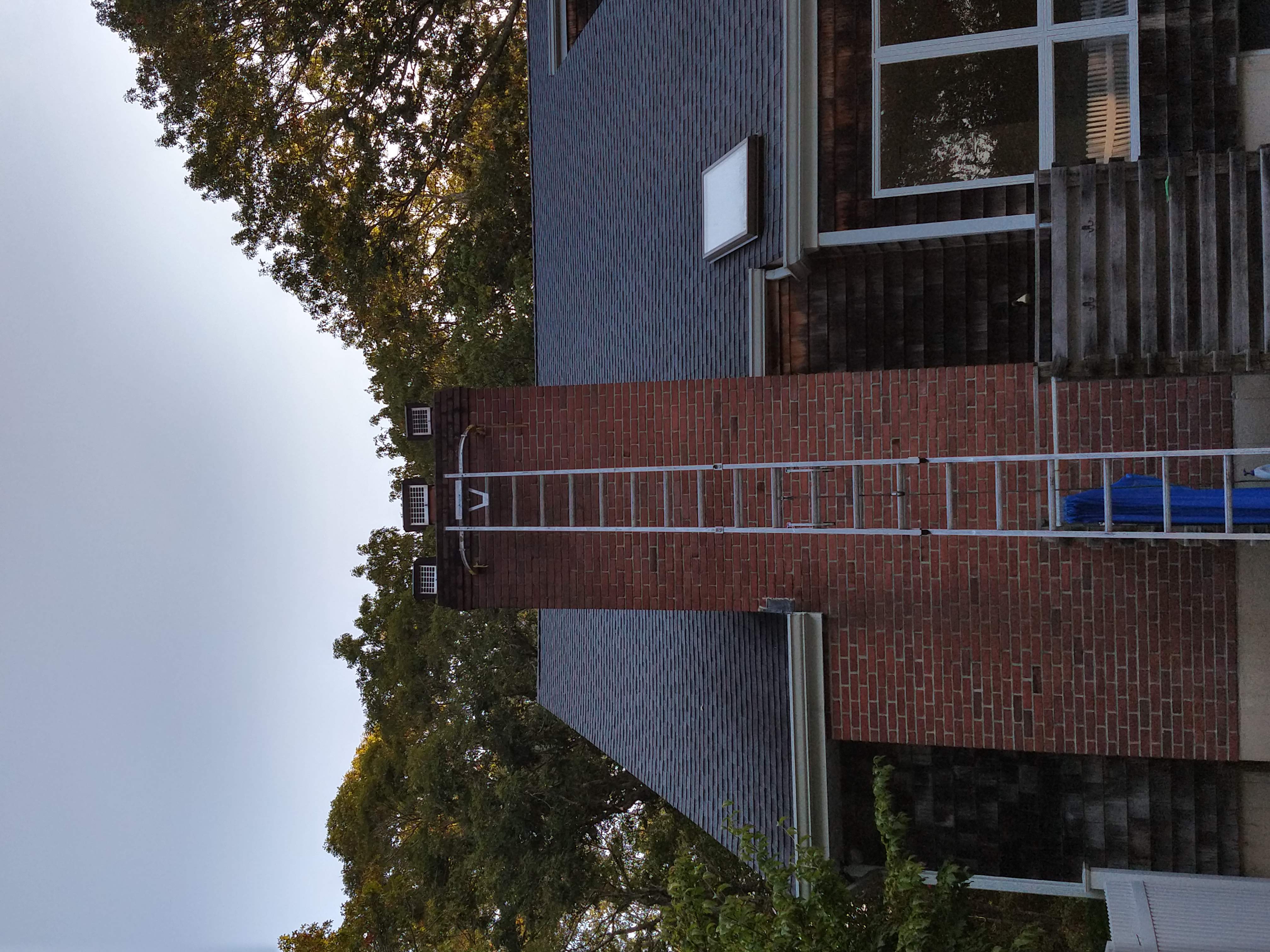
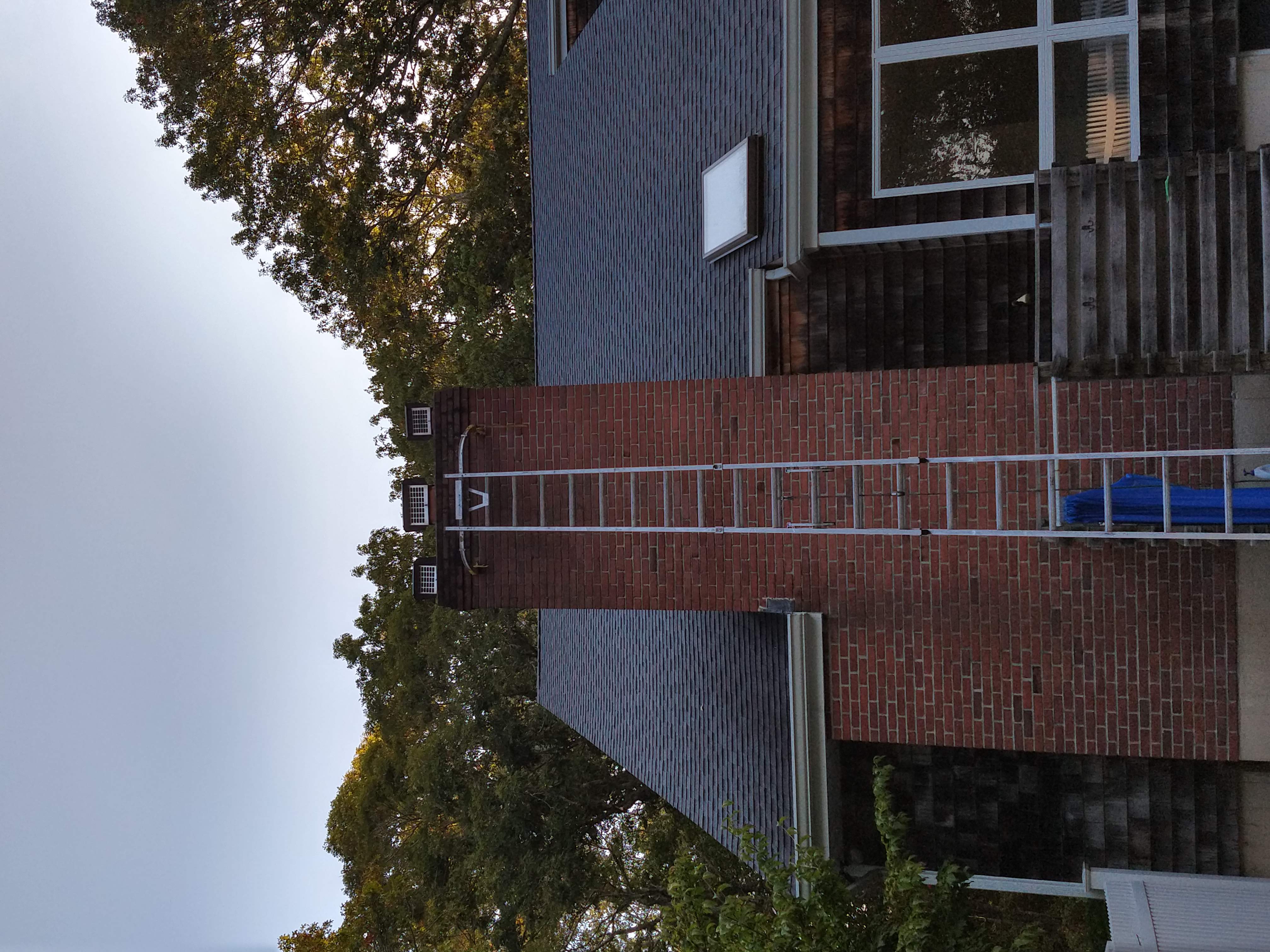
The difference between a throat damper and a top-sealing damper comes down to physics and location. A throat damper sits inside the chimney structure, near the fireplace opening. To function properly, it must seal against the damper frame from below. Dust, creosote buildup, and debris accumulate around the seal. Over years, the metal warps slightly from thermal expansion and contraction. The seal becomes compromised. A top-sealing damper, by contrast, mounts directly at the chimney cap. It seals the entire flue opening from the outside. No interior obstruction exists. No creosote collects around the seal. The damper sits at roof level where weather exposure is direct but where debris cannot accumulate in the same way.
East Meadow sits in Nassau County where winter heating bills run high. Oil heat dominates the area, and many homes rely on both furnace systems and fireplaces for warmth. When a damper fails, your heating costs climb noticeably. Cold outdoor air enters through an open flue continuously. Your furnace cycles more frequently. The effect compounds on windy days. Long Island experiences significant wind, particularly coming off the Atlantic. That wind pressure pushes cold air down open flues and creates drafts near the hearth. Residents of East Meadow often report feeling cold spots near their fireplaces during winter months. Frequently, a damaged damper is the culprit. Replacing it eliminates that draft and reduces the load on your heating system.
Energy efficiency matters year-round, but it becomes critical as temperatures drop. Top-sealing dampers offer measurable improvements because they eliminate air leakage completely when closed. The seal happens at the flue opening itself, outside the chimney structure. No interior gaps exist for air to bypass. No warm air escapes around a warped seal. Homeowners on Long Island notice the difference within days of replacement. Your living spaces feel more comfortable without cold drafts. Your furnace runs fewer cycles to maintain your desired temperature. Over a heating season, that translates to meaningful savings on fuel costs. For homes in East Meadow heated primarily with oil, those savings accumulate quickly.
Timing matters for chimney damper replacement. Fall represents the ideal season for this work. You're preparing your heating system before you need it. Cold weather isn't yet upon you, so the work doesn't disrupt your comfort. Professional technicians have better access to your roof and chimney when conditions are dry and temperatures are moderate. Winter replacements are possible but less convenient. Spring and summer work means delaying until after the heating season ends. For East Meadow residents planning ahead, scheduling replacement work in fall ensures your fireplace functions properly and your chimney seals effectively before you flip on the heat.
The installation process varies slightly between throat damper replacement and top-sealing damper installation. Throat damper work often involves accessing the fireplace from inside your home. The old damper slides out, and the new one slides in. Top-sealing damper installation requires roof access and chimney cap work. A professional removes the existing cap, installs the damper hardware at the flue opening, and secures the new cap. The process takes several hours and demands experience with roofing safety and chimney construction. Homeowners in East Meadow should hire licensed professionals for this work. DIY attempts at roof-level work create unnecessary risks. Improper installation leaves gaps that defeat the purpose of the upgrade.
Choosing between damper types depends on your specific situation. If your throat damper still seals properly and you want a straightforward replacement, throat damper replacement makes sense. If your current damper fails regularly or you want maximum energy efficiency, a top-sealing damper justifies the additional investment. Many residents of East Meadow find that newer top-sealing models provide better long-term performance. They're less prone to debris accumulation. They seal more reliably in wind. They reduce drafts more effectively. If your home uses the fireplace frequently, a top-sealing damper becomes especially valuable. If you rarely use it but want to prevent heating loss, both options improve efficiency over a missing or broken damper.
DME Maintenance serves every street in East Meadow. We have been cleaning chimneys on Long Island long enough to know exactly what local homes need — from older clay-lined flues in pre-war houses to modern stainless steel liner systems in newer construction.
DME Maintenance has served homeowners on Long Island since 2001. Our licensed technicians understand the specific challenges homes in East Meadow and throughout Nassau County face. We've replaced countless dampers for residents dealing with heating inefficiency and draft problems. We know which products work best in our local climate. We understand how wind off the ocean affects chimney performance. We can assess your current damper condition and recommend the right solution for your home. East Meadow homeowners trust us because we combine technical expertise with straightforward communication about what your chimney needs.
Don't let another heating season begin with an unreliable damper forcing your furnace to work harder than necessary. Call DME Maintenance today at 516-690-7471. DME Maintenance will inspect your chimney, evaluate your current damper, and explain your options clearly. We'll schedule your replacement work at a time convenient for you, completing the job before cold weather arrives. Homes on Long Island benefit tremendously from dampers that seal properly. Make this the fall you address this issue and enjoy a more comfortable, efficient heating season ahead.